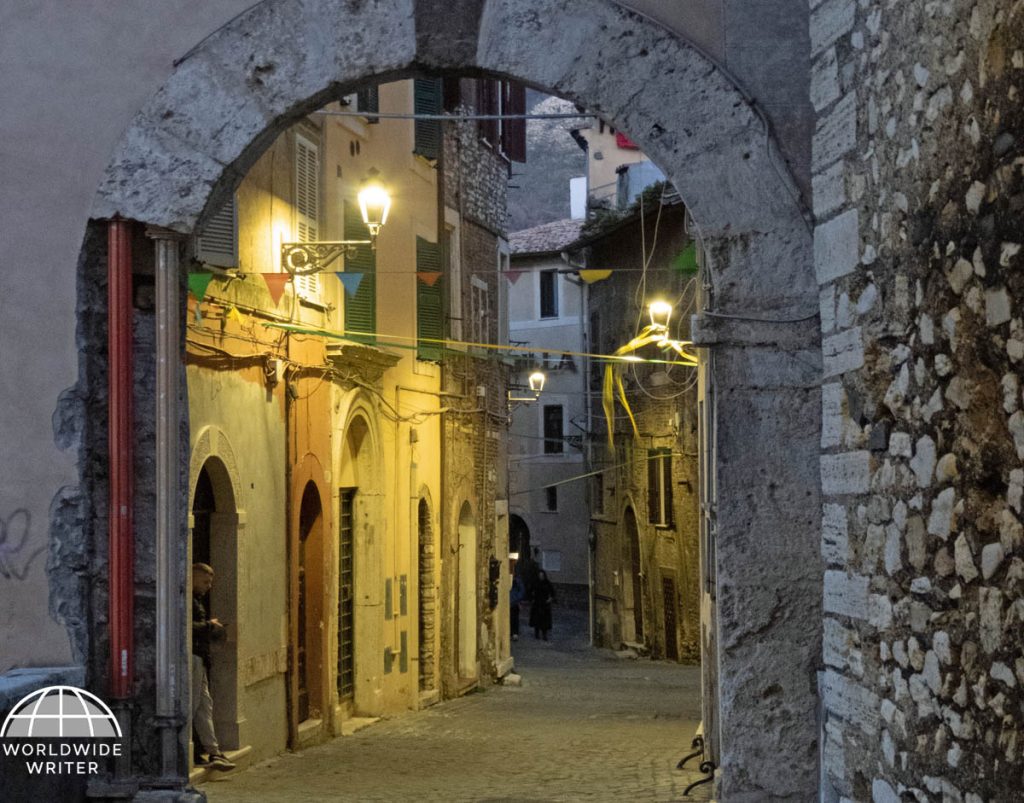
The hill town of Tivoli is a maze of medieval streets, alleys and stairways, with bars and restaurants and historic churches. It has a long history stretching back to Roman times and it is surrounded by hot springs. So why do so many visitors limit themselves to a single day trip from Rome? And what is there to do in Tivoli if you decide to stay a little longer.
Why Visit Tivoli?
For many tourists the main reason to visit Tivoli is to explore its historic villas. However the town has several other reminders of its long history, including Roman ruins, a medieval castle, and several interesting churches. There are also viewpoints and walking paths for those who want to explore the surrounding countryside.
Staying overnight has an added benefit. Most visitors seem to be day trippers, meaning that when evening arrives the locals reclaim the town. It becomes once more a charming Italian hill town where you can relax and enjoy a meal in one of the excellent restaurants.
Tivoli’s Historic Villas
There are three historic villas in Tivoli. These were built as rural retreats, places to avoid the summer heat of Rome. Today two of them are UNESCO World Heritage Sites, and the third is on the UNESCO Tentative list.
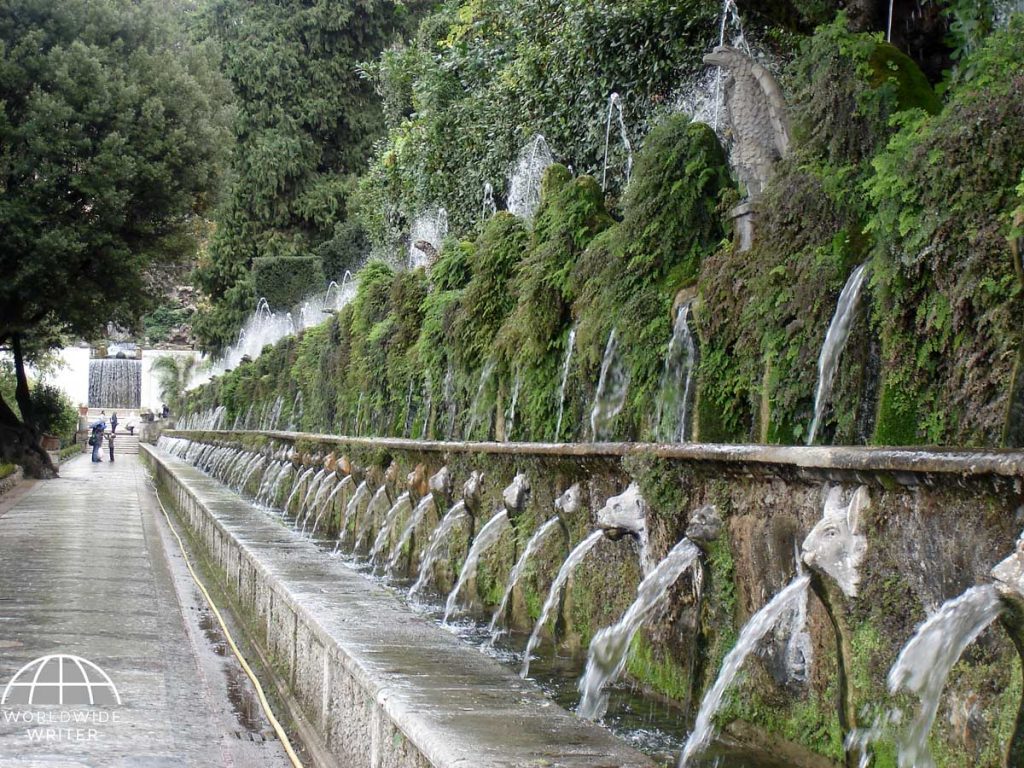
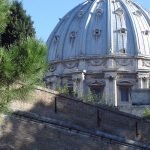
The first World Heritage Site is the Villa d’Este, whose Renaissance gardens are claimed to be the most famous in Italy. They are certainly spectacular, built on a steep hillside with terraces, statues, fountains and waterfalls. A short distance from the town is the second UNESCO site, the Villa Adriana (or Hadrian’s Villa). Dating from the 2nd century CE, this was the residence of the Emperor Hadrian, a massive complex with a palace, baths and administrative buildings. Finally, the 19th century gardens of the Villa Gregoriana features a huge waterfall tumbling down a rocky gorge.
Read more: Historic Villas Of Tivoli: Exploring Villa D’Este, Hadrian’s Villa, And More.
Roman Tivoli
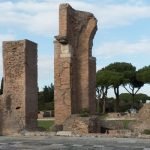
Tibur Superbum, as it was known, was one of the most important towns of Roman Italy, connected to Rome by the Via Tiburtina. Apart from the Villa Adriana (see above), the most important Roman site in Tivoli is the Santuario di Ercole Vincitore, a temple and theatre complex dedicated to the hero and demigod Hercules.
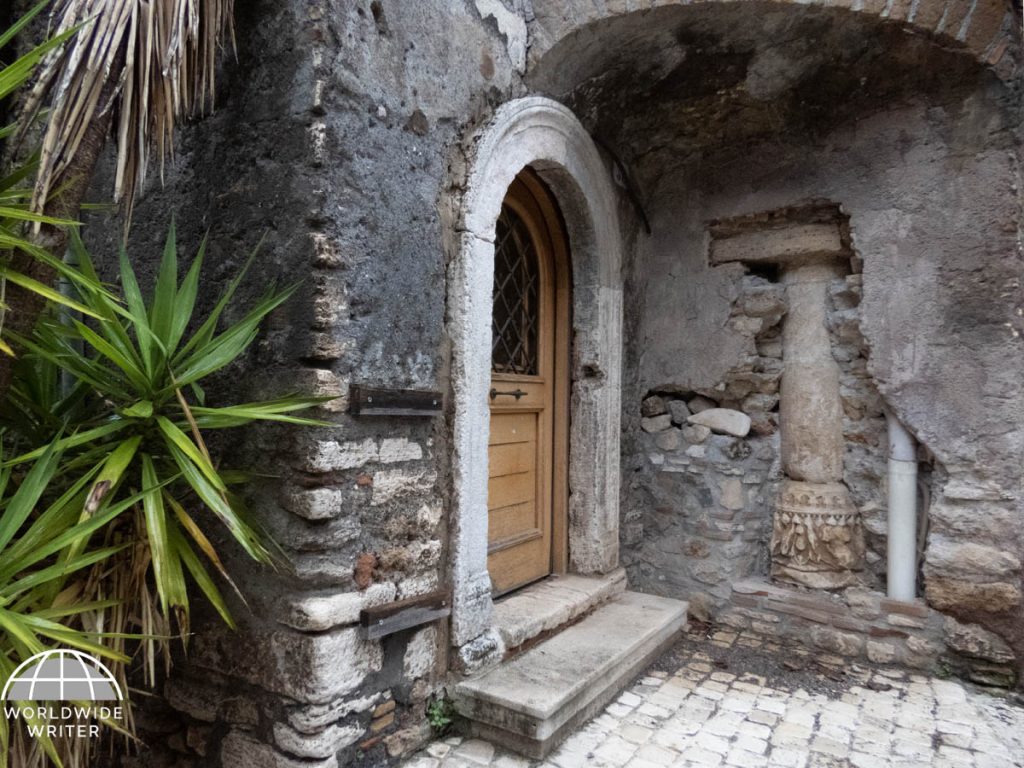
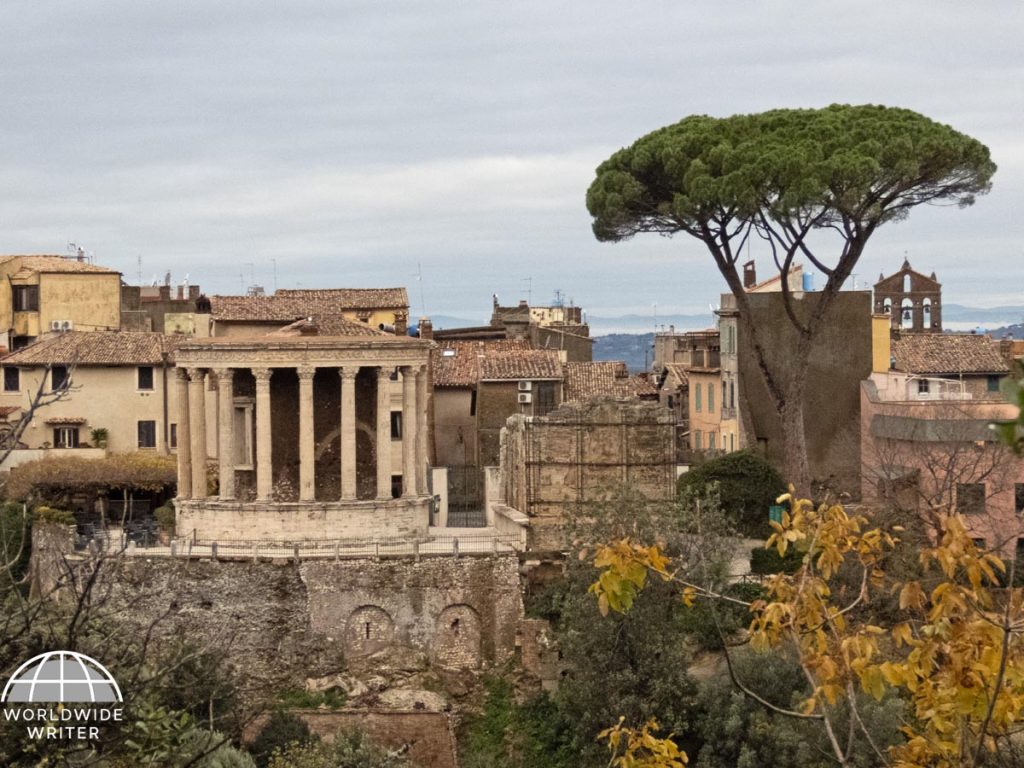
There are several smaller Roman sites in the town, such as the Anfiteatro di Bleso and the Mensa Ponderaria (a public weigh-house). The remains of two temples can be seen behind the Ristorante Sibilla. And wherever you go you will see bits of Roman masonry built into later buildings.
What Else To See In Tivoli
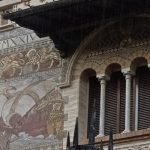
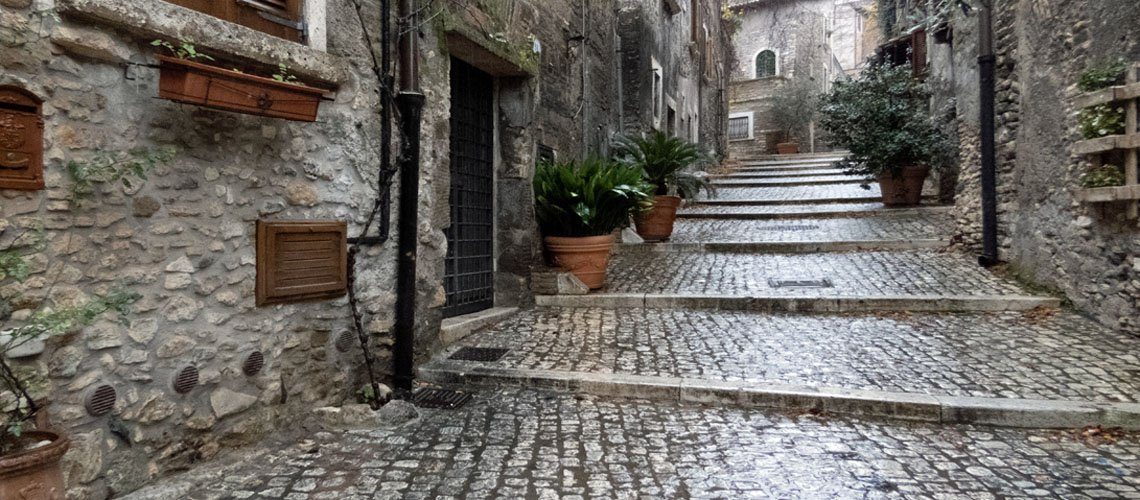
One of the pleasures of Tivoli is just walking around the historic centre, with its tiny medieval passages, archways and breathtaking viewpoints. Look out for cobbled streets and unusual architectural details such as those of the so-called Gothic House on Via Campitelli.
Churches Of Tivoli
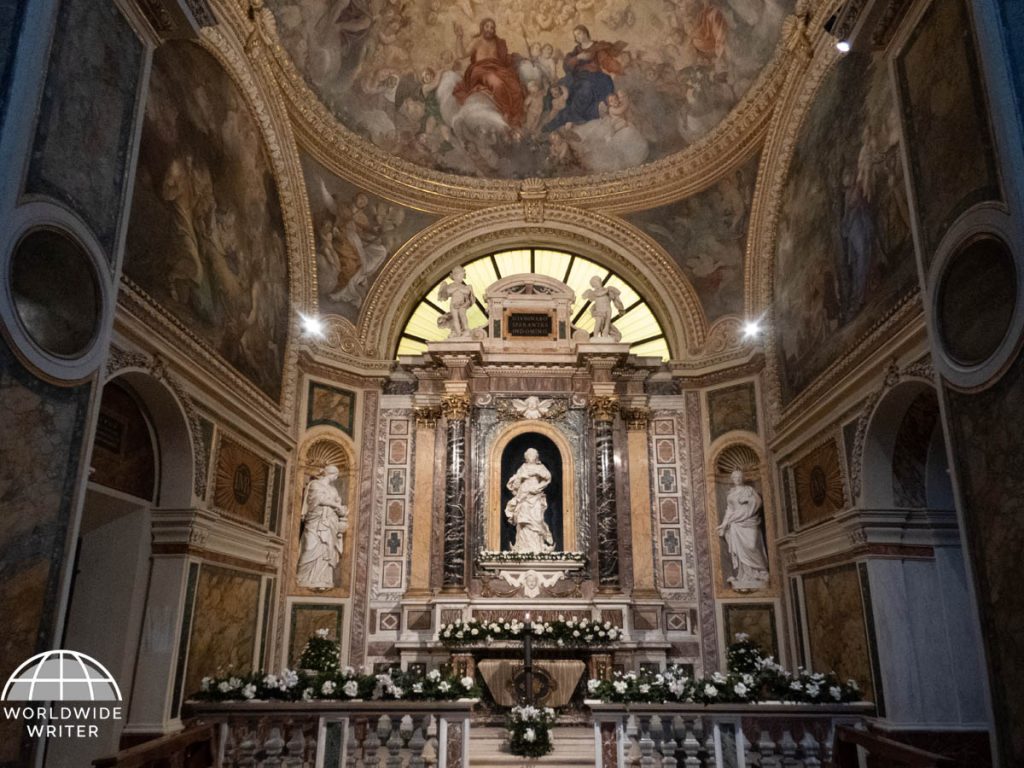
Tivoli has several impressive churches including the Cathedral, or Basilica of San Lorenzo, and the Church of Santa Maria Maggiore (next door to the Villa d’Este) which has so many frescoes that it feels like an art gallery! You’ll also find some interesting frescoes in the small San Silvestre church on Via del Colle.
Rocca Pia
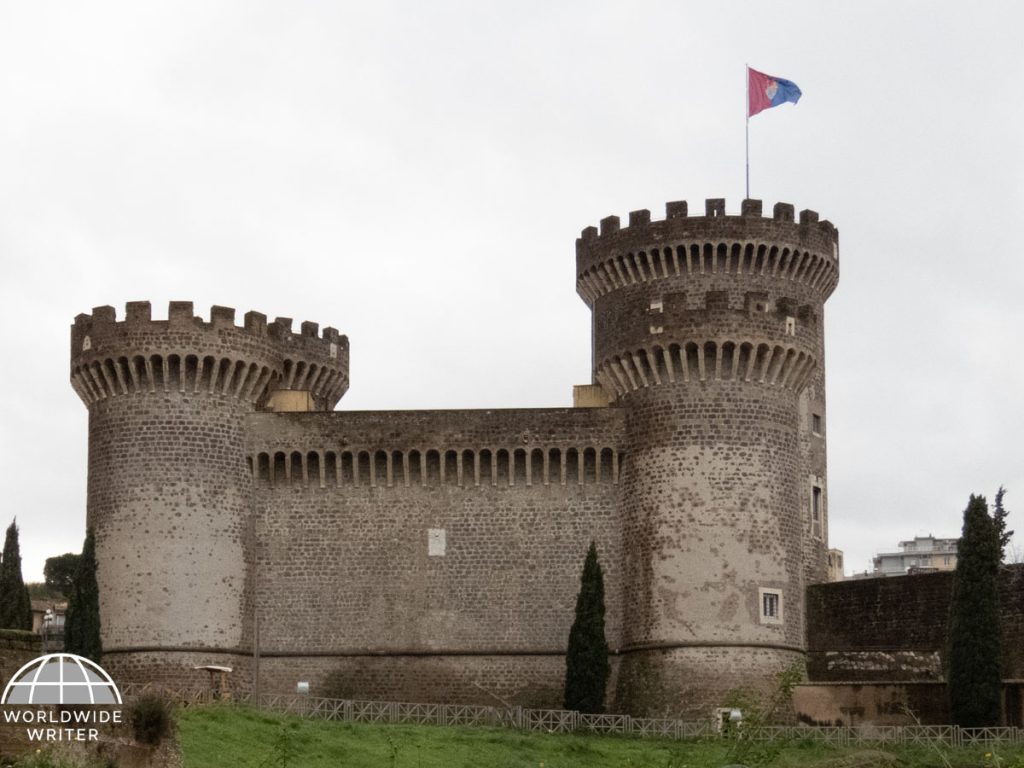
Rocca Pia is a 15th century fortress built by Pope Pius II as a way of controlling squabbles between two local families. It has variously been used as a prison and as a barracks, and it is now open to the public during the summer months.
Tivoli Terme
Tivoli has always been noted for its thermal springs, but today the spa facilities are at Tivoli Terme, around 8 km away. Tivoli Terme is a town in itself, with hotels, shops and a railway station, and spa treatments are available at the Acque Albule.
How To Visit Tivoli
- Tivoli is around 30 km from Rome. You can reach it by train (most trains leave from Tiburtina station but there is also a less frequent service from Roma Termini).
- If you drive you may find it easiest to park at the bottom and walk up to the historic centre. However, there are some small car parks higher up the hill if you are unable to walk.
- People with mobility issues should note that this is a medieval town built on a hill. You will encounter stairs, slopes and uneven surfaces.
- When walking round the town be aware that Google Maps is not entirely reliable. You may find yourself directed to a footpath that is closed for repairs…
- There are lots of places to stay in Tivoli. Most of the larger hotels are near the bottom of the hill but there are some smaller hotels and B&Bs higher up. I stayed at the Al Palazzetto which was small but very nice (if you stay here note that it doesn’t have its own car park).
- There is a wide choice of restaurants and bars. Don’t miss the Ristorante Sibilla, an excellent restaurant in a historic building (you may need to book during busy periods).
- Visiting in the winter months will allow you to avoid the crowds at the Villa Adriana and Villa d’Este. However some places may be closed at this time of year, and parts of sites may be closed for restoration – you will need to check in advance.
This article is now available as a mobile app. Go to GPSmyCity to download the app for GPS-assisted travel directions to the attractions featured in this article.